Few things are more frustrating than watching your garage door start to close, only to stop partway or reverse back open. A garage door that won’t close all the way is not just inconvenient; it leaves your home, vehicles, and belongings exposed to weather and potential intruders. The good news is that this problem almost always comes down to a handful of common causes, most of which can be identified quickly once you know what to look for. This guide walks through why it happens, how to troubleshoot it safely, and when it makes more sense to bring in a professional.
Key Takeaways
- Sensors Are the Usual Suspect: Misaligned or dirty photo-eye sensors cause the vast majority of doors that stop or reverse before closing.
- Safety Feature, Not a Malfunction: In most cases, the door reversing is your opener correctly protecting people, pets, and objects from harm.
- Some Fixes Are DIY-Friendly: Cleaning lenses or clearing track debris takes minutes, but track, spring, or cable issues call for a professional.
Why Your Garage Door Stops Before Closing
Modern garage door openers are built with several layers of safety technology designed to stop the door the moment something seems wrong. That protection is required under residential safety standards enforced by organizations such as the U.S. Consumer Product Safety Commission (CPSC), which mandates auto-reversing mechanisms on all residential openers. While this system keeps your household safe, it can also be triggered by minor issues that have nothing to do with an actual obstruction, such as a dirty sensor lens or a slightly bent track.
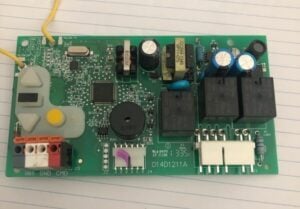
It helps to think of the problem in two categories: electronic issues, which involve the sensors, wiring, or opener logic board, and mechanical issues, which involve the physical hardware like tracks, rollers, and springs. Electronic issues tend to be intermittent and easier to diagnose yourself, while mechanical issues are usually consistent every time the door runs and often get worse the longer they go unaddressed. Narrowing down which category you’re dealing with early on will save you time.
If basic troubleshooting does not resolve the issue, the technicians at Titan Garage Doors can diagnose the exact cause and get your door closing safely and reliably again.
Common Reasons a Garage Door Won’t Close Completely
1. Misaligned Photo-Eye Sensors
Two small sensors sit near the bottom of each track, roughly six inches off the ground, and must point directly at each other. If your door was bumped by a vehicle, a stored item, or even a determined pet, the sensors can shift just enough to break the beam, causing the door to refuse to close or reverse immediately.
2. Dirty or Obstructed Sensor Lenses
Dust, cobwebs, and yard debris build up on the sensor lenses over time. Even a light film can be enough to interrupt the signal. Wiping both lenses with a soft, dry cloth resolves this issue more often than homeowners expect.
3. Debris or Obstructions in the Track
Small objects, ice buildup, or accumulated grime inside the metal tracks can prevent the rollers from traveling smoothly, causing the door to stop or reverse before it reaches the floor. Clearing the tracks and checking for obvious blockages is one of the simplest first steps.
4. Limit Switch Out of Adjustment
The limit switch tells the opener exactly how far to travel before the door is considered fully closed. When this setting drifts out of adjustment, often after a power outage or opener reset, the door may stop short of the floor every time, even with no obstruction present.
5. Bent Track or Worn Rollers
A track that has been knocked out of alignment, or rollers that are cracked and worn, can create enough resistance to trigger the opener’s force sensitivity settings, stopping the door mid-cycle. This issue tends to get worse over time and typically requires a professional adjustment or part replacement.
6. Opener Force Sensitivity Set Too High
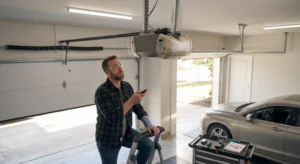
Most openers let you adjust how much resistance the motor tolerates before treating it as an obstruction. If this setting is too sensitive, normal friction from a slightly stiff track or a heavier-than-average door can trip the safety reversal even when nothing is actually blocking the door. This setting is usually adjusted through small dials or screws on the opener unit itself, and it is easy to overcorrect, so small changes are best tested one at a time.
Troubleshooting Steps to Try Before Calling for Service
Work through these checks in order, since they move from the quickest fixes to the ones that may point to a bigger issue.
- Check sensor alignment: Both indicator lights on the photo-eye sensors should glow solid, not blink. If one is flashing, gently adjust it until the light stays steady.
- Clean the lenses: Wipe both sensors with a soft cloth, then test the door again.
- Clear the sensor path: Remove any boxes, tools, or debris sitting between the two sensors.
- Inspect the tracks: Look for visible dents, gaps, or debris along the full length of both tracks.
- Test the manual release: If the door moves smoothly and stays put when opened by hand, the issue is more likely electrical or sensor-related than mechanical.
- Watch the opener’s indicator light: Count how many times it blinks after a failed attempt and check your owner’s manual, since many brands use this to identify the specific fault.
Preventing This Problem From Coming Back
Once your door is closing properly again, a few simple habits help keep it that way. Wipe down the sensor lenses every few months as part of your regular cleaning routine, and keep the area between them clear of stored items, especially if your garage doubles as storage space. A quick seasonal check of the tracks for debris, combined with routine lubrication, also reduces the chances of a mechanical issue sneaking up on you.
When It’s Time to Call a Professional
If you have cleaned and realigned the sensors and the door still will not close all the way, the cause is likely mechanical rather than electrical. Bent tracks, worn rollers, a maladjusted limit switch, or a failing opener circuit board all require hands-on diagnosis. Continuing to force the door closed manually can put unnecessary strain on the springs and cables, turning a minor repair into a more expensive one.
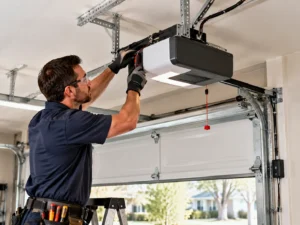
The team at Titan Garage Doors’ service and repair experts can pinpoint the exact cause quickly and get your door operating safely, often in a single visit.
Frequently Asked Questions
Why does my garage door start closing and then reverse?
This is almost always the safety reversal system responding to a broken sensor beam, an obstruction in the track, or a limit switch that needs adjustment. It is the opener doing its job, even if the trigger is not always obvious.
Can cold weather cause my garage door not to close all the way?
Yes. Cold temperatures can stiffen lubricant on rollers and hinges, and condensation or ice can build up in the tracks, both of which add resistance that may trigger the opener to stop or reverse.
Is it safe to manually close a garage door that won’t close automatically?
You can use the manual release in a pinch, but it should not be treated as a long-term solution. Continuing to operate a door with an unresolved fault can accelerate wear on the springs, cables, and opener motor.
How do I know if the problem is the sensors or the opener itself?
Most openers flash the wall control or opener light a specific number of times to indicate an error code. Check your owner’s manual for the code, or have a technician run a full diagnostic if the sensors test normally.
How much does it cost to fix a garage door that won’t close properly?
Cost depends on the cause. Sensor realignment is often a minor service call, while track repair, roller replacement, or opener board issues cost more. A technician can give you an accurate quote after inspecting the door.
Call Titan Garage Doors Today
Do not leave your home exposed overnight because your garage door will not close properly. Contact us today to schedule a diagnostic visit and get your door closing safely again.